
Help for distressed homeowners
If you are behind on payments, underwater, or trying to avoid foreclosure, TRES helps you understand the real estate side of a possible short sale before time gets tight.
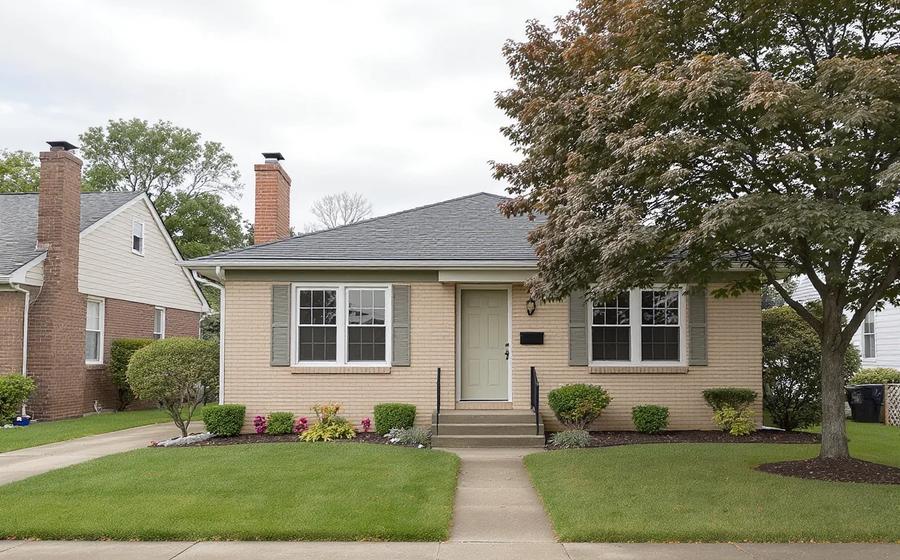
When foreclosure is a concern
If you are behind on payments, worried about foreclosure, or owe more than your home may sell for, timing matters. Once a loan is seriously delinquent, the foreclosure process can move faster than most homeowners expect.
A short sale may give you a way to sell the property before foreclosure, but it is not handled like a normal listing. The lender or loan servicer has to review the file, evaluate market value, and approve the sale before it can close.
TRES helps with the real estate side of that process: property evaluation, pricing strategy, buyer communication, offer coordination, and market documentation. If the situation calls for legal guidance, we recommend working with an attorney who specializes in short sales.
Who short sales are for
A short sale is usually considered when the expected sale proceeds fall short of the mortgage balance and the homeowner needs to sell anyway. That can happen after a job loss, divorce, medical issue, relocation, inherited property problem, or any financial interruption that makes the current payment unsustainable.
It may also be worth discussing when a homeowner is trying to avoid foreclosure and there is still time to present a complete short sale package. The lender will typically look at the offer, the property value, the seller hardship, and the financial documents before deciding whether to approve the transaction.
This is where preparation matters. Missing documents can slow the lender review, and a short sale request by itself does not automatically stop foreclosure. We help get the real estate pieces organized so your lender, loan servicer, or short-sale attorney if one is involved has cleaner information to review.
What TRES handles in a short sale.
The lender or loan servicer has to review the file, evaluate market value, and approve the sale before it can close. Mike has handled short sales in the Triangle since 2005, including the years after the 2008 housing downturn when distressed transactions were a regular part of the local market. TRES manages the real-estate side. Missing or stale documents are the most common reason a file gets stuck, so most of the work is keeping the pieces organized and the communication moving.
Price the property
A short sale review starts with value. We pull comparable sales from the past 90 to 120 days, walk the property, and prepare market documentation a broker price opinion or lender-ordered appraisal can be checked against. The price has to reflect what the home will actually sell for in current market conditions, not what the homeowner needs to make the loan whole.
Find a qualified buyer
Short sale buyers need patience, and lenders will scrutinize the offer. We prep the listing, market the property, and vet incoming offers for the things that move a file through review: financing solidity, contingency timing, and the buyer's willingness to sit through 30 to 90 days of lender response. A clean offer from a serious buyer is worth more than a higher offer that falls apart in week four.
Organize the lender package
The lender or loan servicer is reviewing a complete file. Hardship letter, financial statement, tax returns, bank statements, pay stubs, property information, comparable sales, and the offer with all signed contingencies. Missing or stale documents are the most common reason a short sale stalls. We help the homeowner assemble the real-estate pieces so what gets submitted is current and complete.
Coordinate with the short-sale attorney
When a short-sale attorney is involved, the legal strategy is theirs. Our job is to keep the listing, the offer, the market documentation, and lender communication moving in step with the legal workflow so nothing has to be redone or resubmitted. If the situation calls for legal guidance and an attorney is not yet engaged, we recommend bringing one in early.
Keep communication moving
Short sale reviews often take weeks or months, and the timeline rarely lines up cleanly with the buyer's patience or the foreclosure clock. We stay on top of lender response, request escrow extensions when needed, push for status when files go quiet, and keep the homeowner informed at every step so the decisions on the table are clear.
What TRES can and cannot do
Mike is not an attorney and TRES does not provide legal, tax, or financial advice. We cannot advise you on foreclosure defenses, bankruptcy, deficiency liability, tax consequences, deed-in-lieu agreements, or whether a lender will release you from any remaining balance.
What we can do is help you understand the property, the likely market response, and what it may take to get a serious buyer in place. When a short-sale attorney or other advisor is involved, we can coordinate with them so the listing, offer, and market documentation are handled professionally.
If foreclosure is a concern, do not wait. A calm conversation now gives you more room to evaluate options than a rushed decision later.